Soft-medium sits at 4-5 on a 10-point firmness scale and it's the firmness level most side sleepers actually need, even though they rarely search for it by name. Search "best mattress for side sleepers" and the recommendations cluster around medium and medium-firm. Search "soft mattress" and the advice warns you off it. Soft-medium sits in the gap between those two conversations, and it's where the construction delivers the best balance of shoulder-and-hip contouring with enough structural support to keep the spine straight from a lateral perspective.
I've tested mattresses across the soft-to-medium range specifically for side sleepers, and soft-medium is the firmness where the shoulder sinks far enough to clear the contact pressure without the pelvis dropping past the alignment threshold. It's a narrower window than medium but a wider one than soft, and for the right body weight it's the most comfortable firmness level available for sustained side sleeping.
Who soft-medium suits
Average-weight side sleepers between about 10 and 13 stone. At this weight range, medium can feel slightly too firm at the shoulder for sustained side sleeping, and soft lets the pelvis drop too far. Soft-medium threads the gap. Enough surface give to cushion the shoulder and hip, enough underlying resistance to hold the pelvis level through the night.
Side sleepers who've tried medium and woke up with shoulder pain. If the shoulder pain is worst in the morning and eases during the day, the mattress firmness is the likely cause. Soft-medium reduces the shoulder contact pressure that medium creates for average-weight side sleepers without the structural trade-offs of going fully soft. I've had several side sleepers describe the switch from medium to soft-medium as the point where the shoulder problem disappeared.
Lighter combination sleepers under about 12 stone who mix side and back sleeping. Soft-medium handles both positions at lower body weights because the lighter load means less pelvic drop even on the softer construction. Heavier combination sleepers should stay at medium or step up to medium-firm.
Who should step firmer or softer
Back sleepers at any body weight. Soft-medium allows the pelvis to sink during back sleeping, compromising lumbar alignment. Medium is the minimum for back sleeping at average body weights, and medium-firm for heavier builds.
Heavier side sleepers over about 13-14 stone. At higher body weights the comfort layer at soft-medium compresses past its effective range. The firmness that felt supportive at 11 stone becomes unsupportive at 14. Step up to medium for heavier side sleeping.
Lightweight side sleepers under about 9 stone may actually need soft, because body weight too low to compress even the soft-medium construction far enough for proper shoulder contouring at the contact area.
Stomach sleepers. Soft-medium doesn't provide enough resistance to prevent the pelvis dropping forward. Medium-firm minimum for the stomach position.
Why soft-medium is hard to find by name
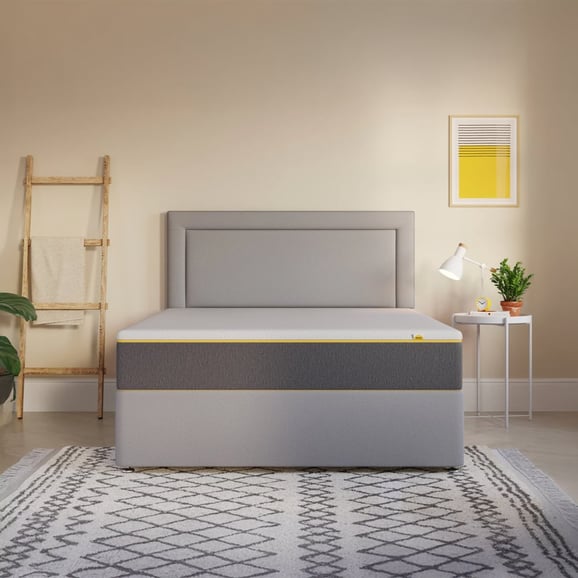
Most mattress brands don't label their products "soft-medium" even when that's what they deliver. Emma's mainstream mattresses sit in the soft-medium zone on the firmness scale but are marketed as "medium". Nectar's memory foam feel lands at soft-medium for many body weights but the marketing calls it "medium". This creates a real problem for buyers who've been told to look for soft-medium by a physio or sleep guide, because the label on the box rarely matches the actual firmness the mattress delivers at the surface.
The practical fix: ignore the brand's firmness label and test the mattress against your own body weight during a trial period. If a "medium" mattress feels slightly softer than you expected at the shoulder and hip, you've probably found a soft-medium in practice. If it feels firmer than expected, the brand runs firmer than its label suggests and you may need to step down their range or look at a different brand entirely.
Construction at soft-medium
Pocket springs at soft-medium tension use lighter spring gauges than medium but heavier than soft. The springs provide enough structural hold to prevent pelvic collapse while allowing more deflection at the shoulder and hip zones than a medium base permits. Spring count matters more at this firmness because each spring handles a proportionally larger share of the contouring work. I've found 2,000+ springs on a king is the threshold where soft-medium starts to feel properly precise rather than vaguely soft.
Comfort layers at 4-6 cm work best at this firmness. Thinner layers don't cushion the shoulder enough for side sleeping. Thicker layers (7+ cm) over soft-medium springs can tip the overall feel into soft territory where the structure starts to fail under average body weights. The balance between comfort depth and spring firmness is tighter here than at any other firmness level, which is part of why getting this firmness right matters more and why construction quality tells you more than the firmness label does.
Brands that deliver soft-medium
Emma NextGen Premium is marketed as medium but sits closer to soft-medium in practice, particularly for buyers in the 10-12 stone range. The foam comfort layer contours at the shoulder in a way that true medium mattresses don't achieve, making it one of the better options for dedicated side sleepers who've been told to look for medium but found it too firm. 200 night trial.
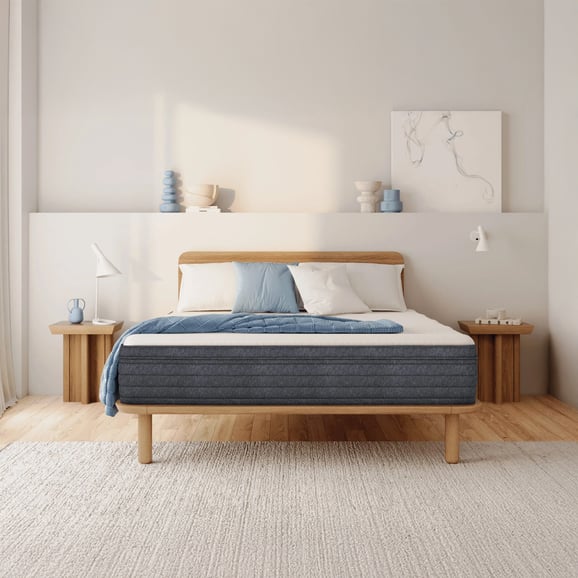
Nectar Premier uses a memory foam comfort layer that creates the classic soft-medium sink feel. Warmer and more enveloping than Simba or Otty because the memory foam wraps more closely around the body at the contact points. At 365 nights, the trial is long enough to test across seasons and confirm the feel holds up through summer warmth as well as winter cold.
Simba Hybrid Pro sits at medium overall, but the zoned pocket springs are specifically softer at the shoulder zone. For side sleepers, that shoulder zone delivers soft-medium performance where it matters most while maintaining medium hold at the hips and lumbar. I've found this zoning approach suits side sleepers who want the soft-medium shoulder feel without giving up structural support where the spine needs it held level.
Hypnia Supreme Hybrid with its latex comfort layer provides soft-medium contouring without the heat retention memory foam creates. Latex responds faster to position changes, so if you shift between side and foetal through the night the surface adapts without the slow-release resistance of dense foam. 200 night trial, 15 year warranty, bamboo cover for moisture handling.
Verdict
Soft-medium is the firmness most average-weight side sleepers actually need, even though few brands label it clearly. Emma for the softest mainstream D2C option in practice, Nectar for the longest trial, Simba for zoned soft-medium at the shoulder specifically, Hypnia for latex responsiveness without heat. If you're a side sleeper who found medium too firm at the shoulder and soft too unsupportive at the pelvis, soft-medium is where the gap closes. Step up to medium if you also back-sleep regularly. Step down to soft only if you're under 9 stone and the shoulder pressure persists.