Night sweats are more common than people admit, affecting a large share of adults at some point, whether from menopause, medication, room heat, or the wrong mattress turning into a heat trap. We cannot fix the underlying cause from a mattress page, and if sweats are sudden, severe or paired with unexplained weight loss, please speak to your GP first. The NHS guidance on night sweats is the right first stop. What we can do is help you pick a sleep surface that does not add to the problem. I sleep hot myself, and over the years I have tested enough mattresses to know which constructions breathe and which turn into a radiator by 2am.
What to look for in a cooling mattress
The mattress itself does not generate heat. What it does is trap or release the heat your body produces. Three things drive cooling performance: the core construction (how much air moves through it), the comfort layer (how much it hugs versus floats you), and the cover fabric (how quickly it wicks moisture away from skin).
Pocket springs win on airflow because each spring sits in its own fabric pocket with gaps around it. Air moves through the coil network every time you shift position. Deep foam layers block that airflow, which is why a 10cm memory foam topper on top of pocket springs defeats the point. Thinner comfort layers paired with natural fillings like wool, horsehair, or flax are the classic UK answer for hot sleepers, and they have been for a hundred years.
In fact, the cover matters more than most buyers realise. A polyester knit holds damp against skin. A viscose, Tencel, or wool-blend cover feels drier because the fibres wick moisture laterally and let it evaporate. Some premium covers use phase-change materials (PCM) that absorb excess heat and release it when the bed cools down. The effect is noticeable in the first 30 minutes but levels off once your body and the mattress reach thermal equilibrium.
Construction types that work best
Pocket spring with natural fillings is the gold standard for sweating sleepers. Brands like Flaxby, Relyon, Harrison Spinks and Hypnos quilt wool into the top layer, slip cotton or linen pad inserts underneath, and sit at spring counts of 1,500 to 4,000 per king. These builds breathe properly, last 10+ years, and feel dry even in July.
Hybrids with minimal foam come next. A pocket sprung base with a thin gel-infused foam or latex comfort layer gets you the pressure relief of foam without the heat trap of an all-foam build. Silentnight's SleepResponse range, Sealy PostureLux hybrids, and Sleepeezee Regency Kennington sit in this bracket.
Dedicated cooling hybrids use engineered cooling tech. TEMPUR Pro Air SmartCool has airflow channels moulded through the foam. Hyde & Sleep Hybrid Ice uses a cooling gel cover. Dreams Workshop Richards pairs wool with a breathable hybrid core. These are the right call if your sweats are severe enough that generic pocket springs have not cut it.
All-foam mattresses are the risky choice. Dense memory foam moulds around you and traps body heat against skin. Open-cell foams help, and gel infusions help, but the underlying physics of "foam hugs, foam holds heat" does not fully go away. If you are considering an all-foam mattress and you sweat heavily, look for gel-infused open-cell memory foam with a PCM cover, or step up to a hybrid instead.
Our top recommendations
For a classic natural-fibre build, the Sophie Conran Aura Pocket Wool mattress pairs wool quilting over pocket springs at a sensible price point. It sleeps dry and feels noticeably drier in the morning than most hybrid options we have tested.
For dedicated cooling tech, the TEMPUR Pro Air SmartCool Luxe Firm is the most consistently cooling foam mattress I have tried. The airflow channels are real. Press into the surface and you can feel the air move, and the cover resists warmth build-up better than a standard foam skin.
For budget-conscious sweating sleepers, Silentnight's SleepResponse Relieve 2000 pairs a pocket spring base with a breathable knitted cover. Under £800 in king and solid enough to outlast the mattress it is replacing.
For premium pocket spring with heavy natural fillings, the Flaxby Natures Finest 4450 sits in the £1,300 range and uses wool, cotton and horsehair. These are the mattresses that old-school UK makers have been building for 80+ years because they work.
Who benefits most from a cooling mattress?
Menopausal women, perimenopausal women, and anyone on hormone therapy are the single biggest buyer group. Hot flushes at 3am are exhausting, and a breathable mattress really does reduce the number of nights you wake up soaked. NHS guidance on menopause-related sleep disturbance points to bedroom temperature and bedding as the most controllable variables.
Men with hyperhidrosis or thyroid-related sweating benefit similarly. Cancer patients on certain chemotherapies, and anyone on SSRI antidepressants, both commonly report night sweats as a side effect that mattress choice can partially mitigate. Speak to your consultant if sweats are sudden, severe, or new. This is not a mattress-first problem.
Couples where one partner sleeps much hotter than the other are a tricky case. A breathable mattress helps both sides, but the hotter partner may still need a cooling pillow and a lighter duvet. Dual tog duvets (split seam, different togs on each side) are a lesser-known fix worth considering.
Common mistakes to avoid
Buying a thick memory foam topper on top of an already-hot mattress is the most common error we see. It multiplies the heat problem and does not fix the underlying construction. If you already own a foam mattress, a wool or cotton topper will help more than any gel-infused foam layer ever will.
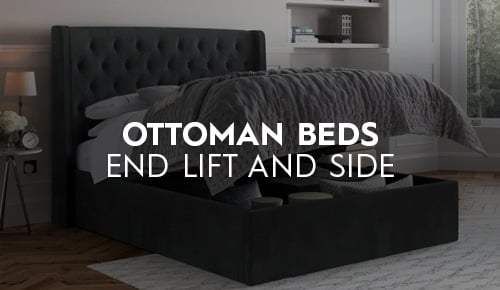
Ignoring the bed frame is another blind spot. An ottoman base with no ventilation underneath traps moisture between mattress and storage compartment. A slatted frame with 5-7cm gaps lets the mattress breathe from below and makes a noticeable difference over a full summer.
Finally, blaming the mattress when the real problem is the bedding, the room temperature, or the duvet. A 13 tog duvet in a 22°C bedroom will overheat anyone, regardless of what they are lying on. Check the bedroom thermostat and duvet tog before spending £1,000+ on a new mattress.
Verdict
If night sweats are ruining your sleep, a breathable mattress is a real lever you can pull, but it is not magic. Pocket springs with natural fillings remain the reliable answer, while engineered cooling hybrids from TEMPUR, Hyde & Sleep and Dreams Workshop cover the premium end. Fix the bedding and bedroom temperature first, then invest in the mattress. And if sweats are sudden or severe, speak to your GP before anything else.